Background
My great grandmother and each of my great aunts on my paternal grandmother's side had been diagnosed with early Alzheimer's. Perhaps due to consistently utilizing both Japanese and English, my grandmother didn't show signs until well into her 60's (20 years later than her sisters). My grandmother was a proud woman and a very strong-willed person. As willing to sing a tune as she was to smack my hand when I was rude, I looked up to her ability to mix play while demanding respect. This project in a sense, started because as she began to show further signs of memory loss, I realized I might lose her. I wanted to preserve the stories only she could tell and ask questions I had been too complacent to ask.
Method
Initially this began as a project to understand Alzheimer's. My thinking was that if I could understand the condition better then maybe I could understand what she was going through. I didn't know what form the project would take, but I knew it needed to start with research and exposure. I reached out to NHC senior center and asked if I could interview members of their community. They were gracious and after surveying their community they introduced me to two members they thought would be a good fit. After an initial meet and greet, and with the necessary permissions, I was able to visit the center weekly conducting interviews. Within these interveiws I asked about the womens' childhood, about experiences they felt had shaped them, and about stories each felt was important to pass on to future generations.
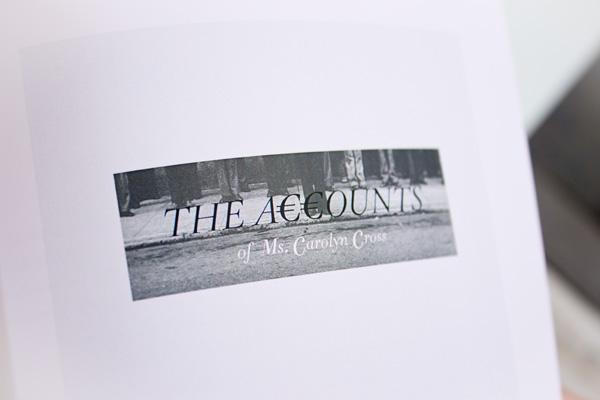
I quickly began to feel a kinship and sense of awe. What extraordinary women. From Ms.R (preferred pseudonymn) I got to hear about what it was like being the first black girl introduced to a white school during Nashville's de-segregation. From Ms.Cross (preferred pseudonymn) I got to hear what it was like being the first career woman of her family. Both women gifted me with kindness, openness, and with life lessons that only come from lived experience.
What started as a quest to understand Alzheimer's quickly transformed into a quest of legacy. I began to realize that "legacy" not only comes from family, it comes from place and from shared cause. These women placed the planks I now stand on and I would have never known the struggles they went through if I hadn't come to NHC to ask.
The Book
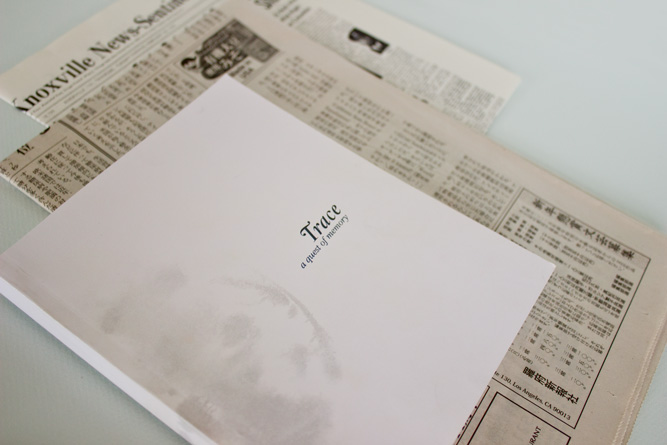
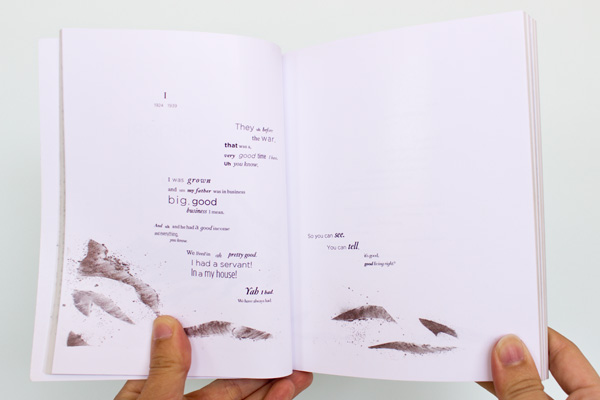
This sense of legacy overwhelmed me and through that feeling I realized that the true goal of this project was to preserve their stories and find a format to then pass them on. After experimenting with a digital format and finding the result rather crude (due to a lost sense of sequence and intimacy), I turned to book-making. The intimacy inherent to a reading interaction, and a book's ability to show sequence physically turned out to be the perfect frame to host their stories.
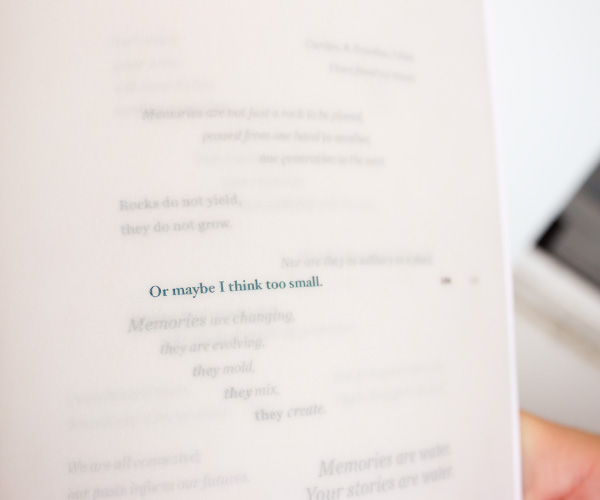
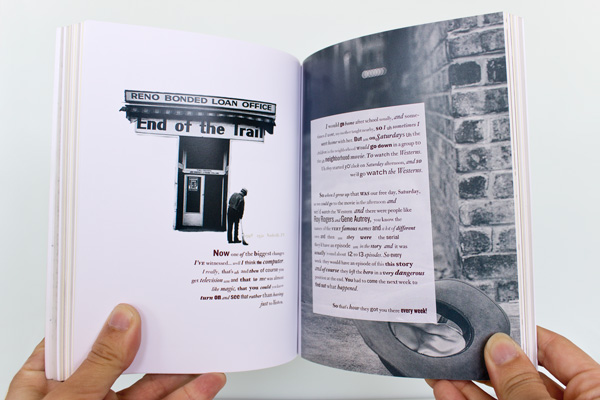
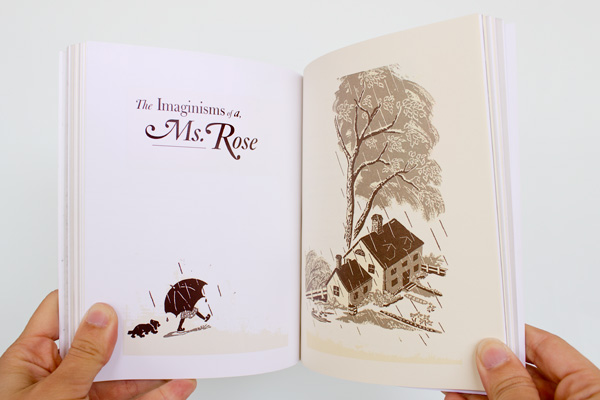
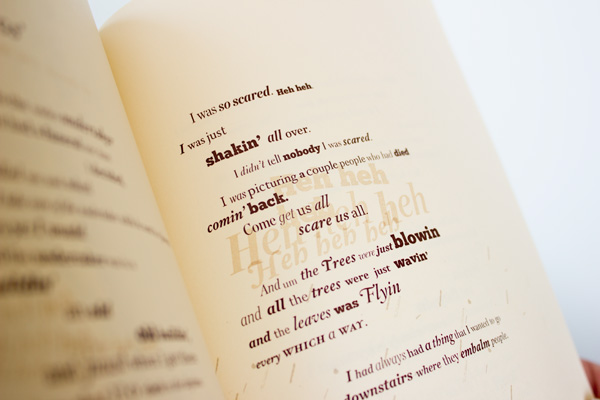
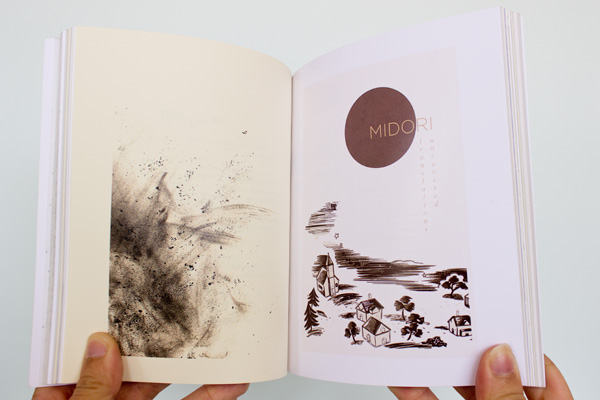
Preserving Voice — Making sure to preserve each story as originally told, I utilized different typographic styles and experimented with layout to give life to the written words. Furthermore, each woman's unique voice was preserved through assigning specific illustration styles and type pairings to each speaker.
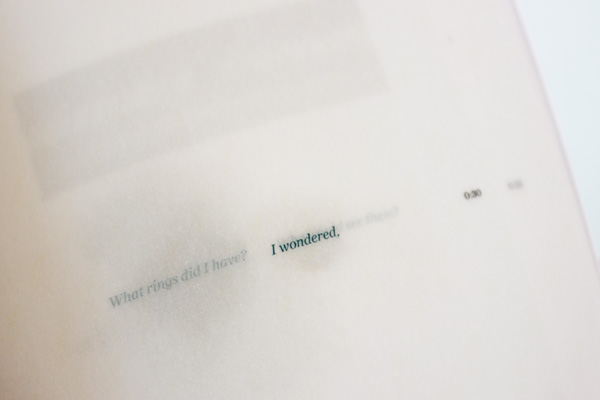
Narrative — Drawing inspiration from books such as "Cloud Atlas" by David Mitchell and "Boundaries" by Maya Lin, the book drops the reader into different memories grouped by theme while vellum sections inserted between chapters highlight a sense of time and provide an overarching narrative.
Special Thanks
A special thanks to NHC Senior Center who were so gracious and supportive of this project and a huge callout to Ms. R, Ms. Cross, and my grandma whose stories continue to shape me today.